Author: Sreedarsh C.
Co-author: Dr. Sanal C. Viswanath
Kannur Kandal Project,
Wildlife Trust of India.
Mangrove ecosystems are among the most productive and ecologically important coastal habitats on Earth. These salt-tolerant forests grow along tropical and subtropical shorelines, where they protect coastlines from erosion and lessen the impact of storms, cyclones, and tsunamis. They also provide essential nursery and breeding grounds for many commercially valuable fish, molluscs, and crustaceans. Despite covering only, a very small fraction of the Earth’s land surface, mangroves play a disproportionately large role in global carbon storage and cycling, making them significant “blue carbon” reservoirs.
However, mangroves are declining rapidly due to a combination of human and environmental pressures. The main factors driving this loss include conversion of mangrove areas for aquaculture and coastal development, pollution, changes in water flow, and the accelerating impacts of climate change. While direct land-use change causes immediate destruction, long-term threats such as rising sea levels and altered hydrological patterns pose even greater risks in the future, highlighting the need for urgent and coordinated conservation measures. In Kerala, this decline is particularly pronounced. Historically, the state supported a large expanse of mangrove forests along its west-flowing rivers, estuaries, and backwaters.
Today, only a small fraction of this cover remains, representing a dramatic reduction from past levels. Most of the surviving mangrove patches are privately owned, making them highly vulnerable to further degradation and conversion. The remaining mangroves are scattered across multiple coastal districts, with the largest extent found in Kannur. This sharp decline underscores the need for integrated, science-based planning and management to ensure the survival and continued functioning of mangrove ecosystems in Kerala and beyond.
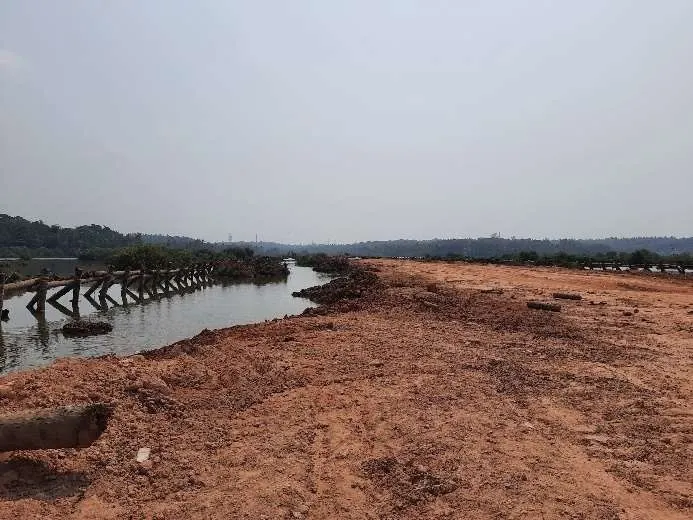
Mangrove ecosystems along the coast of Kerala are facing extensive degradation due to a complex interaction of anthropogenic and natural pressures that collectively undermine their ecological stability and resilience. The most significant driver of mangrove loss is the rapid expansion of residential and commercial development in coastal zones, where mangroves are cleared for housing complexes, resorts, ports, and infrastructure, resulting in direct habitat destruction and disruption of the tidal hydrology essential for regeneration. In Porunivayal, Payyanur, local resistance to the large-scale filling of wetlands highlighted the crucial ecological importance of mangrove forests, which act as natural flood buffers and serve as vital breeding and nursery grounds for various aquatic species. Similar developmental pressures in the Kavvayi backwaters and Pappinisseri region have caused extensive wetland reclamation for tourism and urban expansion, leading to the decline of nursery habitats, increased tidal flooding, and reduced coastal stability, emphasizing the socio-ecological costs of unregulated development.
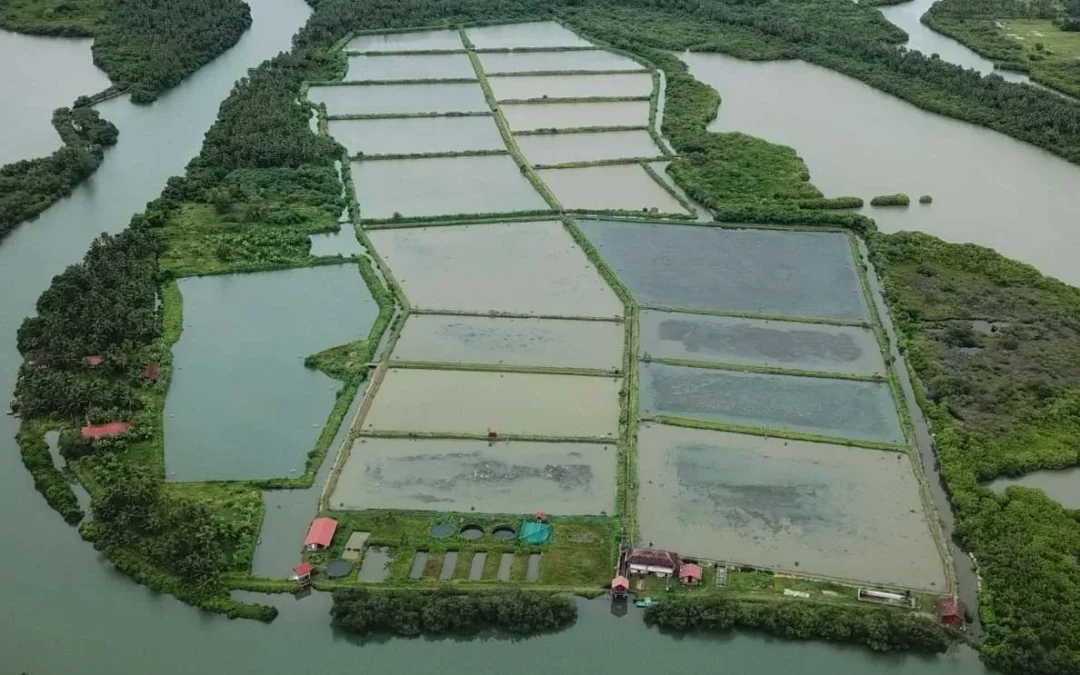
Agriculture and aquaculture expansion, particularly shrimp farming and paddy field conversion, constitute another widespread threat, as large tracts of estuarine and backwater margins are reclaimed to create aquaculture ponds, resulting in altered hydrological regimes, increased salinity, and nutrient depletion. This pattern, observed in regions such as the Valapattanam and Kuppam estuaries of Kannur, Kavvayi backwaters of Kasaragod, Kadalundi estuary of Kozhikode, Chettuva and Enamakkal wetlands of Thrissur, Kodungallur backwaters of Ernakulam, Vembanad Lake fringes of Alappuzha and Kottayam, Ashtamudi estuary of Kollam, and the Neyyar and Karamana river mouths of Thiruvananthapuram, has resulted in widespread ecological decline.
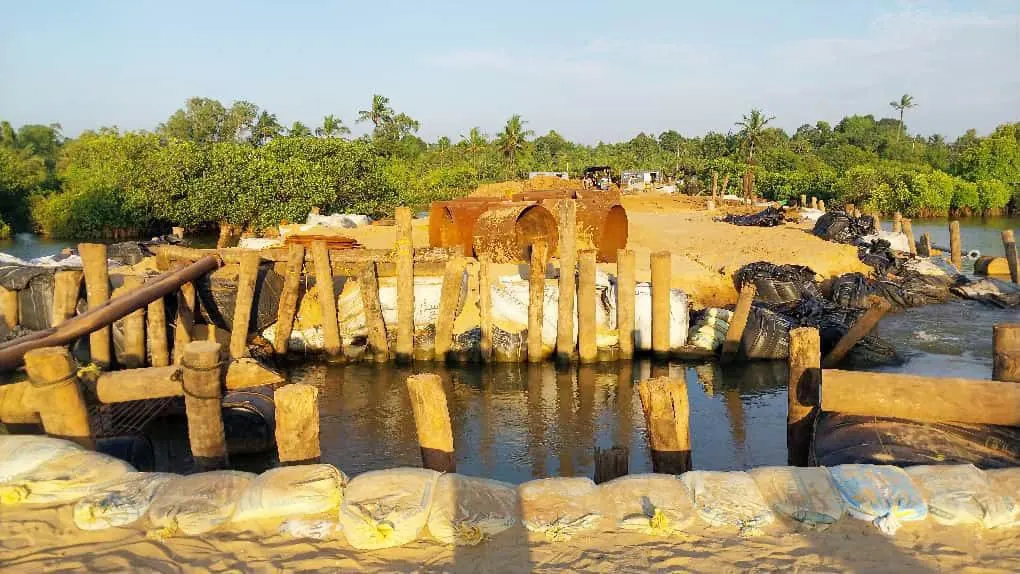
For instance, in the Valapattanam estuary, conversion of mangrove tracts into shrimp ponds and reclaimed paddy fields altered natural flow and increased soil salinity, causing declines in juvenile prawns, mud crabs, and estuarine fish while abandoned ponds turned into degraded acidic mudflats with extremely slow recovery. Industrial activities linked to port construction, dredging, energy production, and mining exert additional stress through land reclamation and sediment disturbance, which alter tidal exchange, increase turbidity, and reduce photosynthetic efficiency. Dredging and thermal discharges have disrupted tidal flushing and altered salinity gradients, inhibiting mangrove regeneration and degrading fish habitats. Similarly, transportation infrastructure such as roads, bridges, and rail networks near estuaries interrupts hydrological connectivity and tidal circulation, fragmenting mangrove stands and disturbing sediment balance, as evident in the Kannur and Kasaragod coast where the Kanhangad to Payyannur road expansion and bridge construction across the Kavvayi and Kunhimangalam backwaters led to uneven sediment deposition, erosion, and species imbalance.
Overharvesting of biological resources further aggravates mangrove degradation, with extensive cutting of Avicennia and Rhizophora for fish smoking and domestic fuel, as well as bark extraction from Bruguiera gymnorhiza, causing canopy thinning and tree mortality, while destructive fishing methods in mangrove creeks disrupt juvenile fish recruitment and reduce local fishery yields. Tourism-related pressures have emerged as an additional concern, where activities such as boating, kayaking, and the construction of informal jetties in areas like Kadalundi, Poovar, Kumbalangi, Chellanam, Vypeen, and Kavvayi cause trampling of seedlings, damage to pneumatophores, and shoreline modification, while litter accumulation and noise from recreational activities disturb aquatic and avian fauna. Though individually minor, these cumulative pressures significantly reduce mangrove resilience and increase vulnerability to erosion and hydrological stress. Hydrological alterations from river regulation, embankment construction, and canalization further exacerbate degradation by disrupting the delicate balance between freshwater and saline inflows. The Thanneermukkom Bund in the Vembanad Kuttanad wetland system, built to prevent saline intrusion, drastically altered downstream salinity and sediment availability, leading to the decline of, while similar outcomes were observed in the Kole wetlands, Ashtamudi estuary, and Kavvayi backwaters where reduced tidal flow and water stagnation caused mangrove dieback.
The proliferation of invasive species such as Acacia auriculiformis and Sonneratia apetala in degraded mangrove areas, further hinders natural regeneration by outcompeting native species, altering soil properties, and suppressing seed germination. Pollution from industrial effluents, sewage discharge, agricultural runoff, and plastic waste has become a chronic stressor in estuarine systems such as Ashtamudi, Vembanad, and Kochi backwaters, where contaminants accumulate in sediments, reduce oxygen availability, and impair nutrient cycling, leading to eutrophication, algal blooms, and the decline of mangrove and aquatic biodiversity. Geological events like tsunamis and cyclones, although infrequent, can cause localized physical damage to mangrove stands through uprooting and sediment deposition, as observed along the Alappuzha, Ernakulam and Kollam coasts during the 2004 Indian Ocean Tsunami; however, natural regeneration in sheltered zones such as Vembanad demonstrates the inherent resilience of mangroves when hydrological integrity is maintained. In contrast, climate change represents the most pervasive and long-term threat, manifesting through sea-level rise, temperature fluctuations, altered rainfall patterns, and intensified storm activity, which collectively alter salinity regimes, increase inundation duration, and disrupt species distribution. In low-lying estuarine zones of Kerala, prolonged flooding and higher salinity cause root stress and seedling mortality, while restricted inland migration due to dense coastal settlement leads to coastal squeeze and irreversible habitat loss. The combined influence of these pressures, driven by unsustainable development, resource exploitation, hydrological modification, pollution, and climatic variability, has placed Kerala’s mangrove ecosystems at a critical threshold, threatening not only their ecological integrity but also the livelihoods and coastal protection function they support.
The future of the world’s mangrove forests is increasingly uncertain, as they are being pressured both by rapid, unrestrained human development and by large-scale environmental changes occurring across the globe. The immediate threats causing rapid declines namely clearing for agriculture/aquaculture and overharvesting demand immediate policy intervention and enforcement. However, the largest long-term dangers, categorized as very rapid declines, stem from changes to the natural system like dams and altered sediment flow, and the overwhelming challenge of climate change (specifically sea-level rise).
Protecting mangroves effectively requires moving beyond local restoration efforts to implement integrated coastal zone management. This approach must address pollution, halt destructive hydrological changes, and, crucially, safeguard existing forests as our most effective natural defence against the inevitable impacts of a changing climate. The time for piecemeal conservation is over; only comprehensive, multi-faceted action can prevent the total collapse of these irreplaceable coastal shields.
For more details, please contact:- sreedarshc1@gmail.com sanalviswam@gmail.com